The UK government has reached a deal with the EU to rejoin the Erasmus+ student exchange programme.
The programme allows British students to live and study in EU countries for up to a year, and for EU nationals to do the same in the UK.
When the UK left the European Union, Erasmus+ was not part of the Brexit deal putting an end to British participation.
The Irish government is currently spending €2m per year to allow students in Northern Ireland to continue to be part of the programme.
Wales and Scotland were not able to get their own special arrangements, despite lobbying by hundreds of members of the European Parliament including the now-Polish Foreign Minister.
The rival scheme
Instead, under Prime Minister Boris Johnson, the UK set up a rival scheme that allowed students to study not just in Europe but in the US, Australia and Brazil.
However, unlike Erasmus+, students that participate in the ‘Turing Scheme’ do not get tuition fees or travel costs paid.
The British government has now agreed to pay more than half a billion pounds for British students to join Erasmus+ in the first academic year 2027-28.
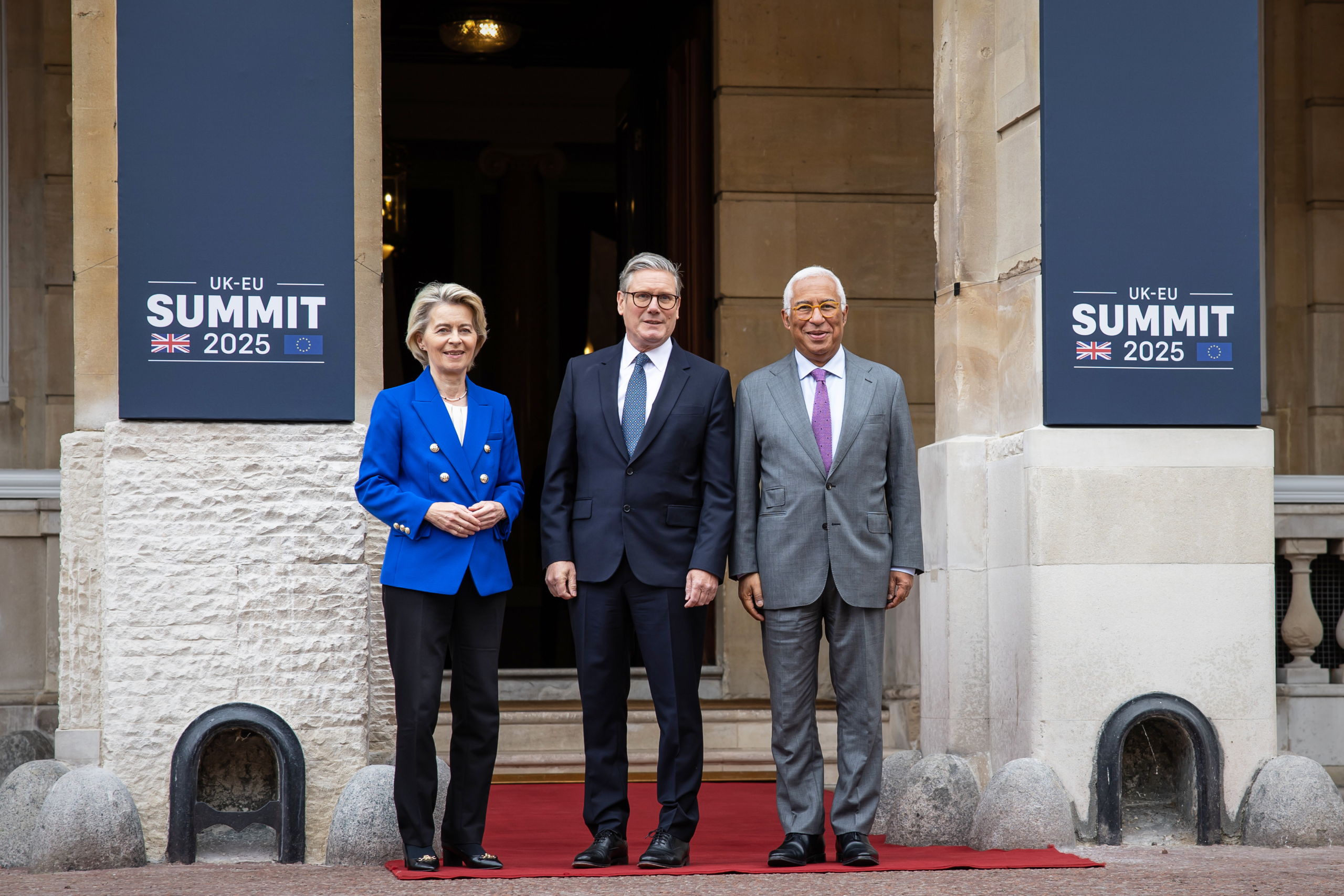
A mutual agreement with the EU
In a joint statement, the EU’s Trade Commissioner, Maroš Šefčovič, and UK Europe Minister, Nick Thomas-Symonds, said the “mutually agreed financial terms represent a fair balance between the UK’s contributions and the benefits the programme offers”.
“Today’s agreements prove that our new partnership with the EU is working”, Nick Thomas-Symonds added.
“Today’s agreements prove that our new partnership with the EU is working.”
“Joining Erasmus+ is a huge win for our young people, breaking down barriers and widening horizons to ensure everyone, from every background, has the opportunity to study and train abroad.”
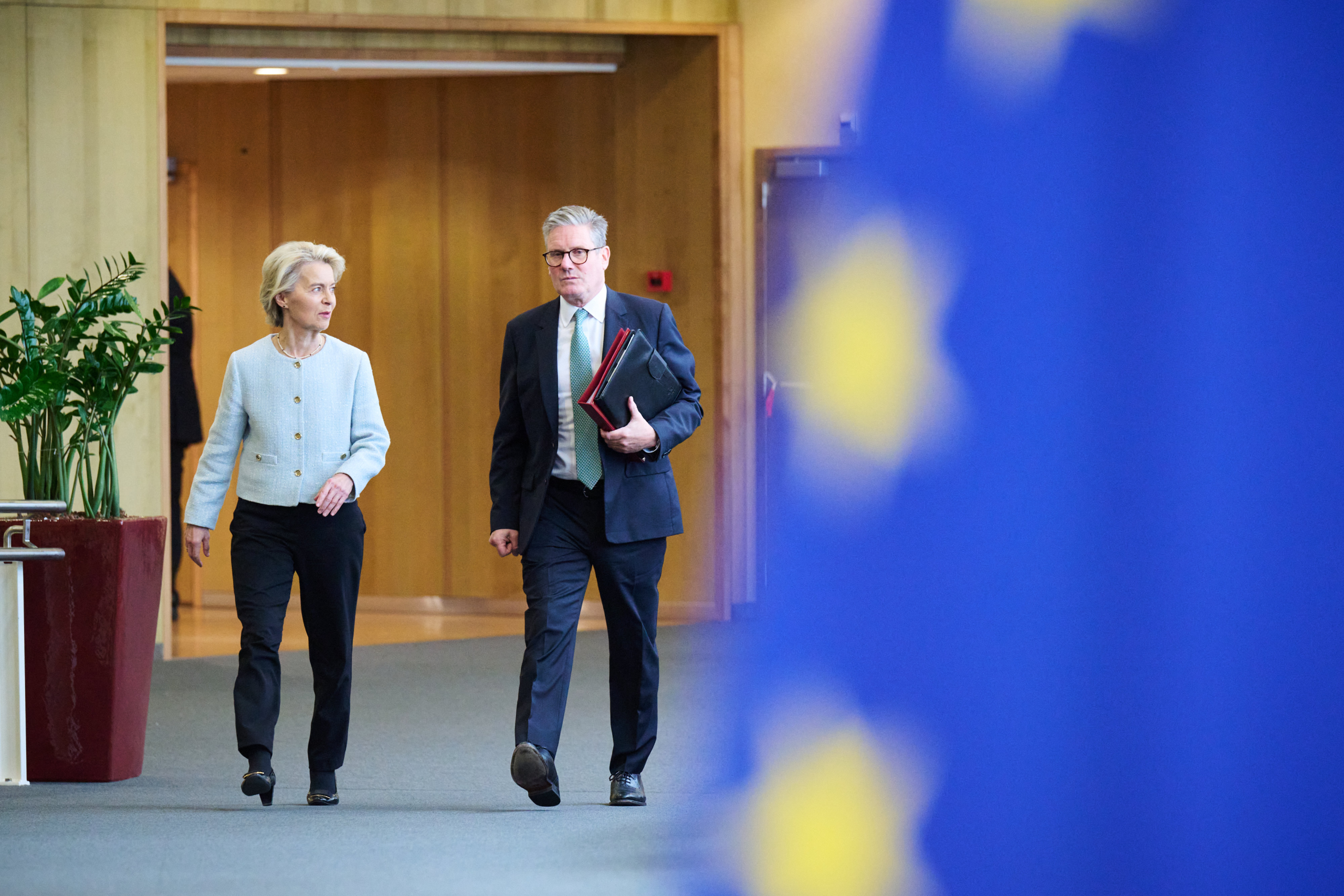
And European Commission President, Ursula von der Leyen, said in a post on social media: “Today, we make further steps in our renewed EU-UK strategic partnership.”

How far will it go?
The EU is in the process of negotiating a €2 trillion seven-year budget from 2028 and it is likely the UK will have to renegotiate its annual fee once that has been settled, assuming the UK wants to continue to participate beyond the first year.
The SNP, Greens and Liberal Democrats are big proponents of Erasmus+. The Conservatives and Reform UK have criticised rejoining, something they see as getting too close to the EU.
When Labour came into office in 2024, Keir Starmer promised to “reset” relations with the European Union.
When Labour came into office in 2024, Keir Starmer promised to “reset” relations with the European Union after a frosty and at times tempestuous post-Brexit era.
An EU-UK summit back in May promised a raft of new deals to bring the two sides back closer together.
But progress seemed to have stalled since then.
More EU deals – from military spending to farm exports
Last month, the UK was expected to join a joint military spending programme, known as SAFE (Security Action for Europe). On the last day before the deadline, the European Union made a deal with Canada, but not the UK.
It is understood that the British government baulked at the suggestion it should pay more than €1bn as an entry fee.
Negotiations on a veterinary agreement, which would do away with most checks on British food and farm exports to the European Union have also progressed far slower than had previously been hoped. In other areas, relations have been smoother.
British ministers and officials now regularly discuss issues like migration. And despite initial ruffled feathers, the EU did not stand in the way of a British-French agreement to return a limited number of migrants to France in exchange for Britain accepting an equal number of asylum seekers sent from Paris.
Besides the failure of a deal on SAFE, relations with the EU on security and Ukraine have become increasingly tight-knit.
It is understood that the UK government and EU coordinate, sometimes directly, sometimes through the G7, over sanctions, Russia’s so-called shadow fleet and other security matters.
Nonetheless, both sides have been anxious about a public perception that perhaps all was not well with UK-EU relations.
There are hopes that the Erasmus+ deal will help smooth over the cracks.
Read more:
Dutch election: How liberals could now usurp far-right in Netherlands
Germany to spend €1 trillion following historic vote
EU targets Trump heartland with multi-billion counter-tariffs