Nato has announced a new mission to protect the Arctic including Greenland, just weeks after Donald Trump threatened European nations with tariffs if they blocked his bid to control the island.
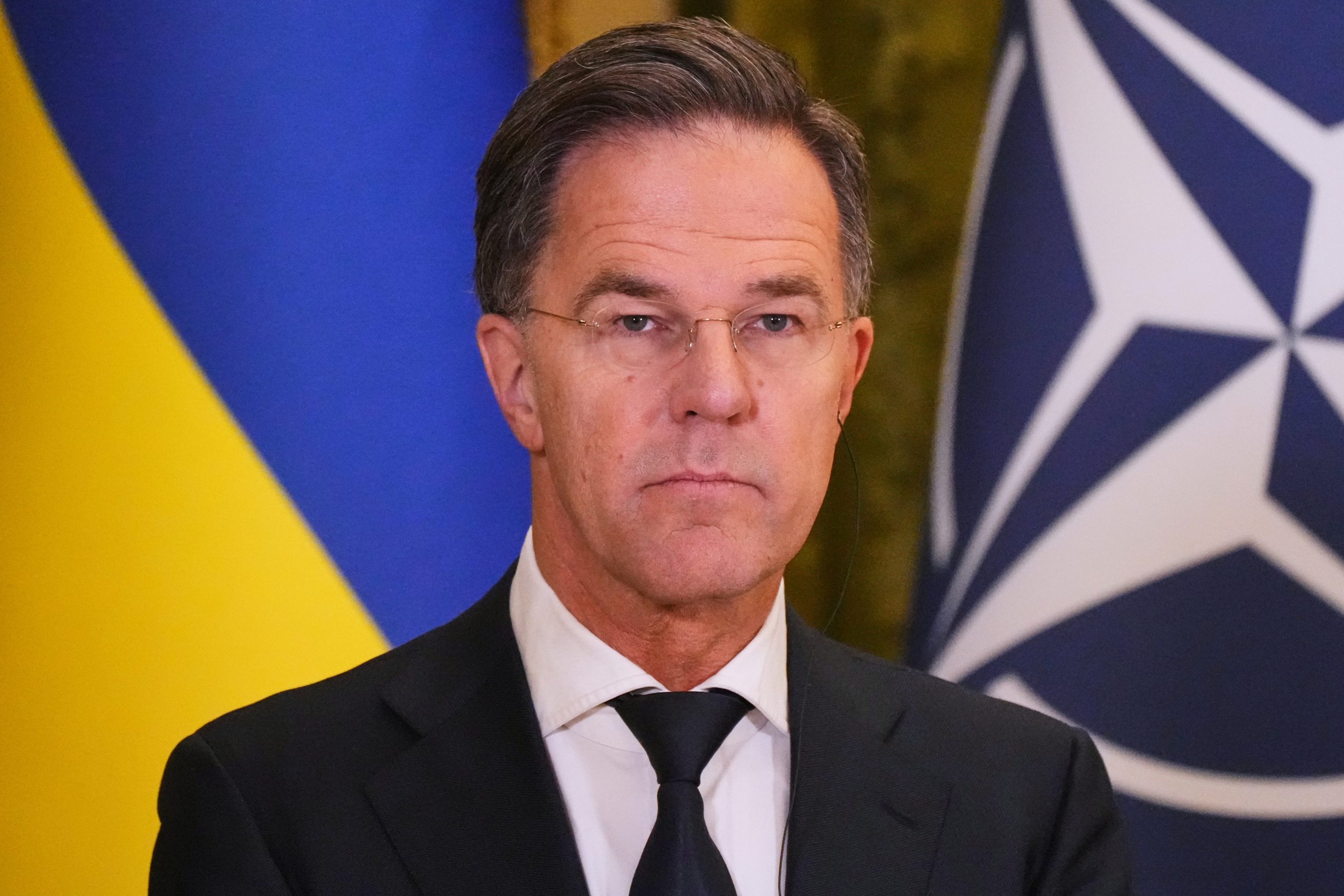
Arctic Sentry “leverages the strength of the alliance by bringing together Nato and allied activities in the High North into one overarching operational approach to the region,” Nato’s Secretary General Mark Rutte said this afternoon.
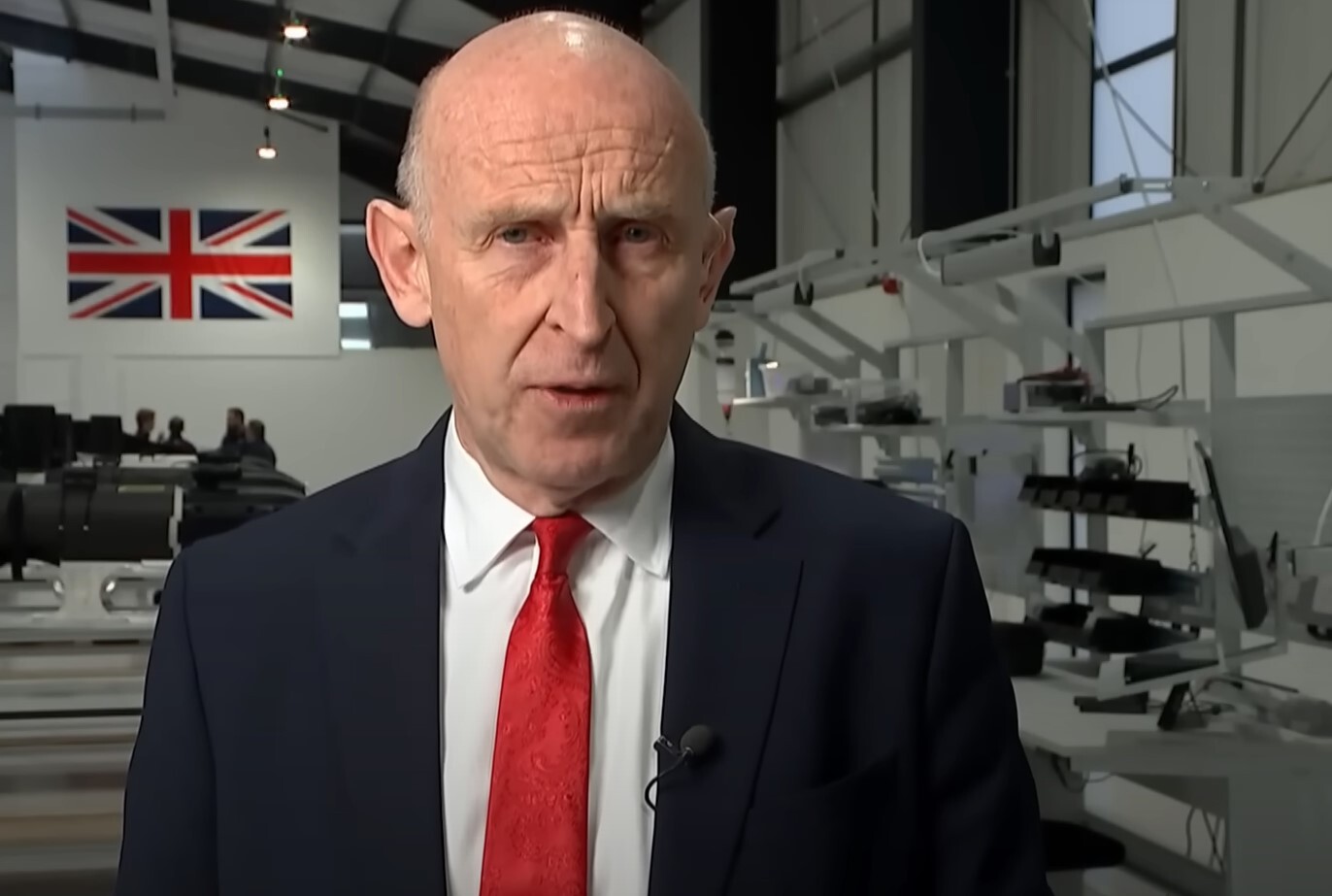
The UK’s Defence Secretary John Healey has promised that British Armed Forces will play a “vital part” in the mission which is expected to stretch from Canada to Finland.
Other European allies are expected to commit submarines, ships and personnel.
A senior military official confirmed that existing operations in northern Norway, Denmark’s ‘Arctic Endurance’ exercises, as well as a US-Canadian operation in Greenland, would be folded into the new Arctic brand.
It’s understood that Arctic Sentry will be headquartered in Norfolk, Virginia USA, around 2,000 miles from the southern tip of Greenland.
Concerns over activity in the Arctic
Concern about Russia and China’s activity in the High North has chuntered away in the background for years.
Climate change has caused sea ice to retreat, opening up new routes for Russia’s significant Northern Fleet.
“Demands on defence are rising, and Russia poses the greatest threat to Arctic and High North security that we have seen since the Cold War,” Healey said.
“We see Putin rapidly re-establishing military presence in the region, including reopening old Cold War bases.”
China doesn’t have any territory within reach of the Arctic, but has nonetheless become “increasingly active” in the region, according to military experts.
The International Institute for Strategic Studies estimates that China now has several hundred warships including submarines, destroyers and aircraft carriers.
But the Arctic is only one region of interest for China, and Greenland is only one part of the High North region.
Trump’s threats to invade Greenland
European allies have, in recent weeks, increasingly talked of being grateful that Donald Trump brought the issue to the fore.
The fact that Trump did so by threatening to invade Greenland – a self-governing, autonomous territory of the Kingdom of Denmark – has neither been forgotten nor forgiven.
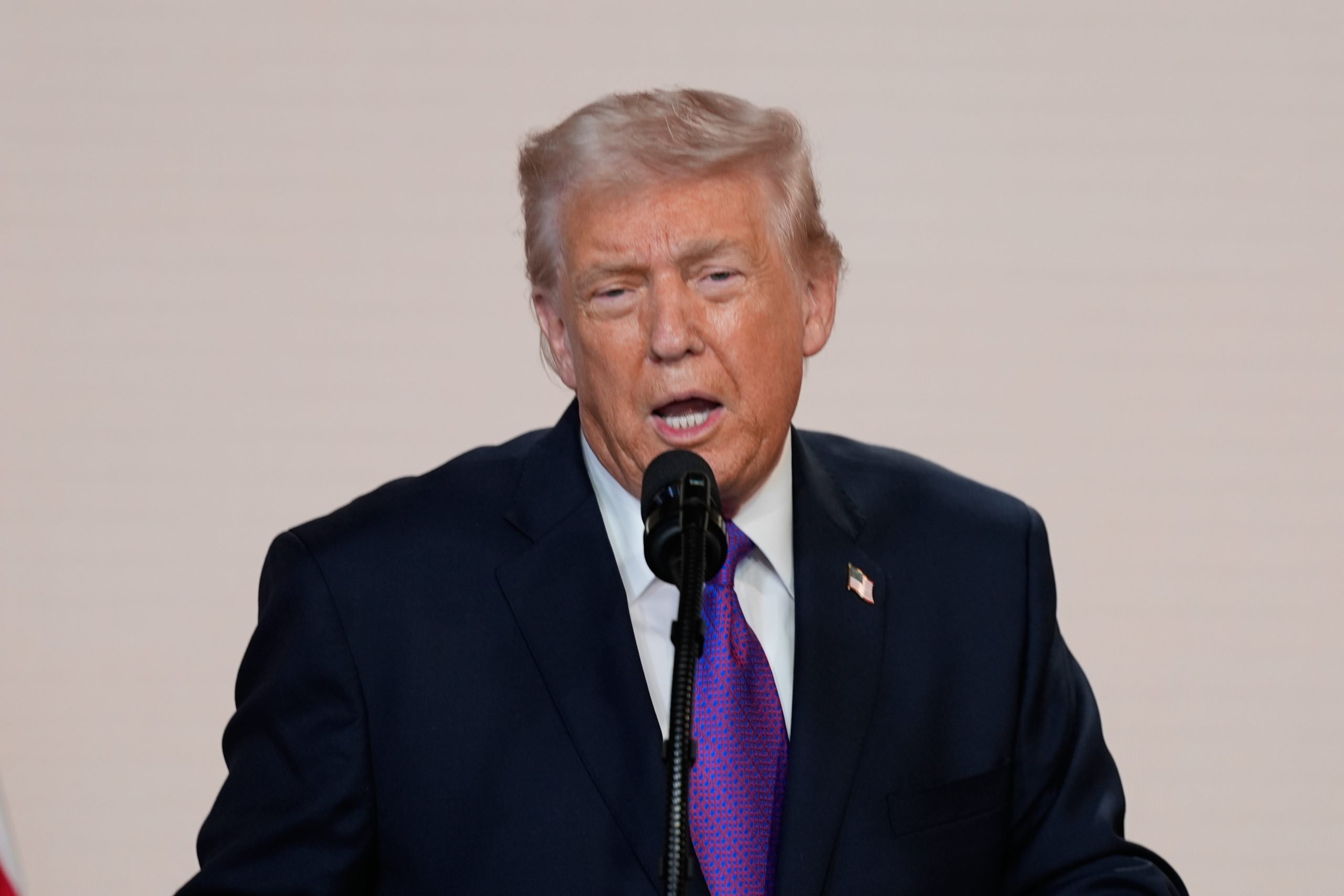
Trump has coveted Greenland for years. The issue reached fever pitch in January when he said he intended to acquire the territory “one way or the other”.
But in a speech to the World Economic Forum in Davos last month, the US President conceded: “I don’t want to use force. I won’t use force.”
Since then, western leaders – and the Nato chief in particular – have tried to convince Trump that there are other ways than a takeover of Greenland to achieve enhanced Arctic security.
Arctic Sentry is Trump’s ladder to climb down. And European allies hope he will take it.
“Coming from my talks with the American President [after Davos], one workstream is what is now Arctic Sentry”, Rutte said.
The other – involving direct talks between the US, Denmark and Greenland – is still ongoing.
‘This is not simply about Greenland’
“There was no cable cutting, for example, to prompt this,” a Nato military officer admitted today, a nod to other operations launched off the back of undersea cables cut in suspicious circumstances.
Nonetheless, Nato officials insist that the mission will be valuable and is not just to placate Trump over Greenland.
“This is not simply about Greenland. Arctic Sentry is not designed to focus myopically there,” the official added.
Arctic Sentry will strengthen allies’ surveillance across the Arctic, allowing Nato to respond more quickly to any threats, they insisted.
Rutte said the new mission was a “big” deal that will involve “tens of thousands of personnel”.
Greenland crisis: Can Europe rely on the US?
But the implications of the Greenland crisis stretch much further than the Arctic.
French President Macron called it a “profound shock”.
Dormant discussions about an EU army, European Nato or a European nuclear umbrella have resurfaced as allies question, like never before, whether they can rely on the United States in the long term.
The European Parliament today called for “a stronger EU defence pillar to enable the EU to act autonomously, if necessary”.
Rutte has pushed back on the idea Europe could cope militarily without the US – ideas which he sees as pipe dreams.
Europe would have to double, and double again, its defence spending to come anywhere close to the resources needed to go it alone, he warned last month.
Instead, the Nato Secretary General is pushing the narrative that the US needs Europe as much as Europe needs the US.
The United States “need a secure Arctic, they need a secure Euro-Atlantic and they also need a secure Europe,” he said.
“So the US has every interest in Nato as much as Canada and the European Nato allies.”
The EU’s foreign affairs chief welcomed Nato’s Arctic mission, but warned against taking Europe’s eyes off Ukraine which, she said, is the “hottest” concern right now.
“We, of course, remain vigilant [in the Arctic], but don’t draw our attention away from where the threats currently are the acutest, which is of course Ukraine,” Kaja Kallas said this afternoon.